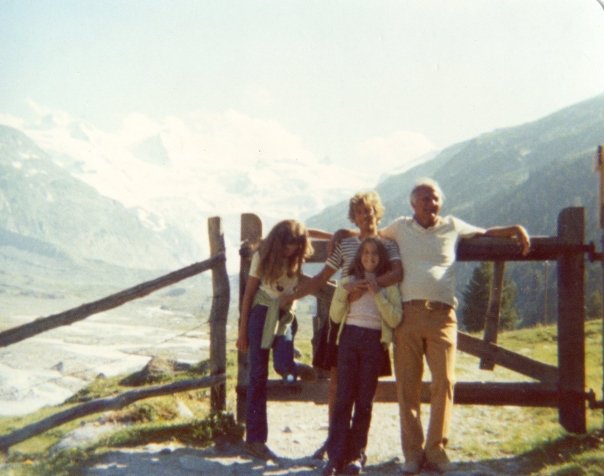

We’re not the stereotypical Aspen family. We don’t own a private jet or have a nest egg set aside for exotic adventure trips, humanitarian expeditions or top-notch sports camps, so my husband and I decided to give our three boys an unscheduled summer. This was back in 2012, just as Colorado Amendment 64 was being passed.
At thirteen, anything that hinted at adventure or hiking brought a litany of grimaces and rejections, so our freestyling son’s summer consisted of hucking off ledges at the Aspen skate park and throwing mistys off the Stillwater bridge into hypothermic water. It was all a recipe for disaster, but at the time we trusted them and wanted them to have their freedom.
Soaring into Aspen High School like a gorgeous, scaly, charcoal-black dragon with leathery wings, Brevitt discovered his “Herb Tribe,” as they called themselves. Together, they puffed out sparks of fire and herbal-scented smoke rings.
One evening, as Wade and I lay in bed reading, I received the comforting text that Brevitt was home in time for curfew and all was well. Immediately after came a second text meant for a friend: “Hey, we smokin’?” Wade laughed and said someone was messing with me, but I knew it was time to shut this down. Ten-something years later, Brevitt confessed that he thinks a friend took his phone and texted me to be funny.
Wade is a lot like our Brevitt: positive, funny and the life of the party. He’s also a badass, yanking out loose teeth at any given moment and digging splinters out of his skin with a pocketknife. But when it comes to our sons, he’s a pussycat, and the boys run when they see him coming with their wiggly teeth.
I, on the other hand, am bad in very different ways. Just as our boys can swing between adorable and zombie-like monsters at any moment, so can I. Luckily for them, I’m always looking for the story, so at the height of my frustration, picturing myself flying around the room on a broom, laughing hysterically and throwing smoke bombs, helps my anger dissipate.
I’m an intuitive bull in a china shop who often can’t finish all the creative projects I’ve started and who would rather live in the moment than spend my life cleaning. I’m what you might call a present mom, which can be pretty annoying and disruptive for the Herb Tribe, since I was constantly pulling Brevitt out of plans that sounded dangerous, like senior girls encouraging him to sneak out in the middle of the night and drive him to a party in the woods. I think the Herb Tribe found me confusing, or just plain crazy. Known as the strict one compared to the other parents, I’m also known to rap along to very offensive lyrics over the car speakers or break into embarrassing dance moves.
But that strictness cost me four years of being part of his and his friends’ lives, a cost I would never want to pay again. Looking back, I would navigate it so differently, encouraging the boys to hang out at our house instead of at unsupervised homes. Truth is, they probably would have stayed away regardless. We lived downvalley from Aspen, and an unsupervised house is far more fun.
As far as parenting goes, Wade and I have always been on the same page. Solid communicators with good senses of humor, we preferred to talk our way through unnecessary emotional drama and the embarrassing public tantrums the boys delivered. Rather than time-outs, we parented through discussions with a litany of life lessons thrown in. Conversations began early about the importance of abstaining from drinking and drugs for brain development, and about becoming sweet, responsible, helpful, intelligent, creative and caring gentlemen.
When the Conversations Stopped Working
When Brevitt became a teenager, the conversations weren’t working. Around the time walls started getting punched and our fear of addiction set in, I began meeting with counselors in our valley. I realized that the reason many parents take a big step back when their kids become teenagers is that the anger is scary and extremely difficult to manage. If there is little discipline and few expectations, there is little anger.
One year and six counselors later, I found Joel Karr and received a grant from the Aspen Community Foundation to pay for his services. When Joel first came to our house, I worried I had made another mistake. He seemed a bit sketchy at first, beginning with the idea that kids have only five rights: shelter, clothing, food, education and not to be abused. A bit shocked, I wondered where he was going with that, but with each session his counterintuitive counseling seeped in a little deeper. Teaching us not to worry about what could be, and putting the accountability on the kid, it all began to make sense.
His approach is simple yet complex: kids are taught to choose positive power over negative power, and parents are taught to trust that if their kids give the impression they aren’t engaging in anything life-threatening or harmful, then all is OK. That is, if the kids are keeping their grades up and don’t appear depressed, angry or to be using substances, everything is OK. His framework is seemingly foolproof, if you can allow yourself to really listen and put what he says into practice.
Starting a Parent-to-Parent Movement
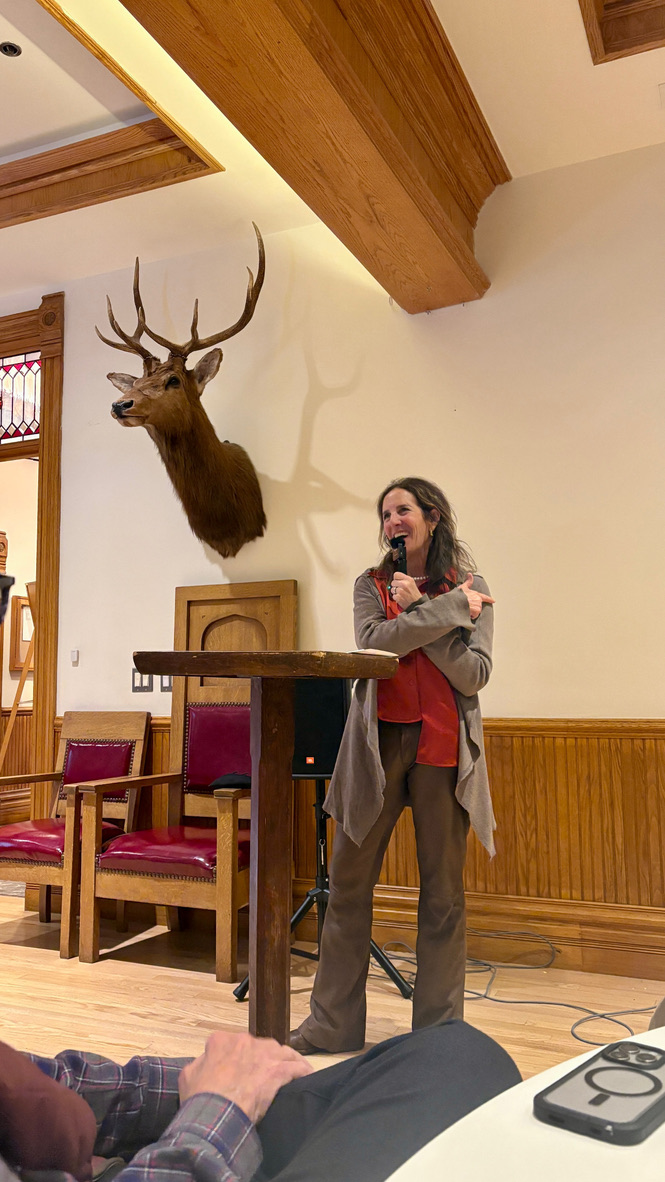
I also started a movement in our community. I have unfortunate stage fright that tends toward fainting at any public speaking moment, so it’s not easy for me to take charge. What helps is imagining that I’m wearing a Stetson, chaps and spurs and riding bronco-style into town, chanting an inner mantra to prepare for this new Wild West.
Since we’ve come so far with Brevitt, I want to help empower others to “be the parent.” Using Joel’s techniques, I rounded up a posse and roped parents into a Parent to Parent Alliance. I encourage parents to set parameters and consequences together with their children, to be consistent and unafraid to say no regardless of what other parents allow, and to communicate with each other about their teens’ plans, believing that together we can change the social norms and raise substance-free youth.
As word got out, I often heard what was holding parents back: “We did it back then, so they should be able to as well.” The difference is that scientific evidence now shows frequent marijuana use can have a significant negative effect on the brains of teenagers and young adults, including cognitive decline, poor attention and memory, and decreased IQ. Ya think? Boys’ prefrontal cortexes develop more slowly than girls’, so if they slow the process even further with drug use, their executive functioning decreases significantly. And guess what happens then? Their anxiety increases, and they get medicated to handle that. It’s a vicious spiral.
Experimenting with drugs and alcohol should no longer be seen as a rite of passage while teens’ brains are still developing. As a former director of a local drug prevention partnership once asked, “Is it a rite of passage to allow your children to shoplift?” Just as you protected your toddlers from getting too close to the fire, the real parenting begins when your children become teenagers. The fire is still there, but with far more dangerous consequences.