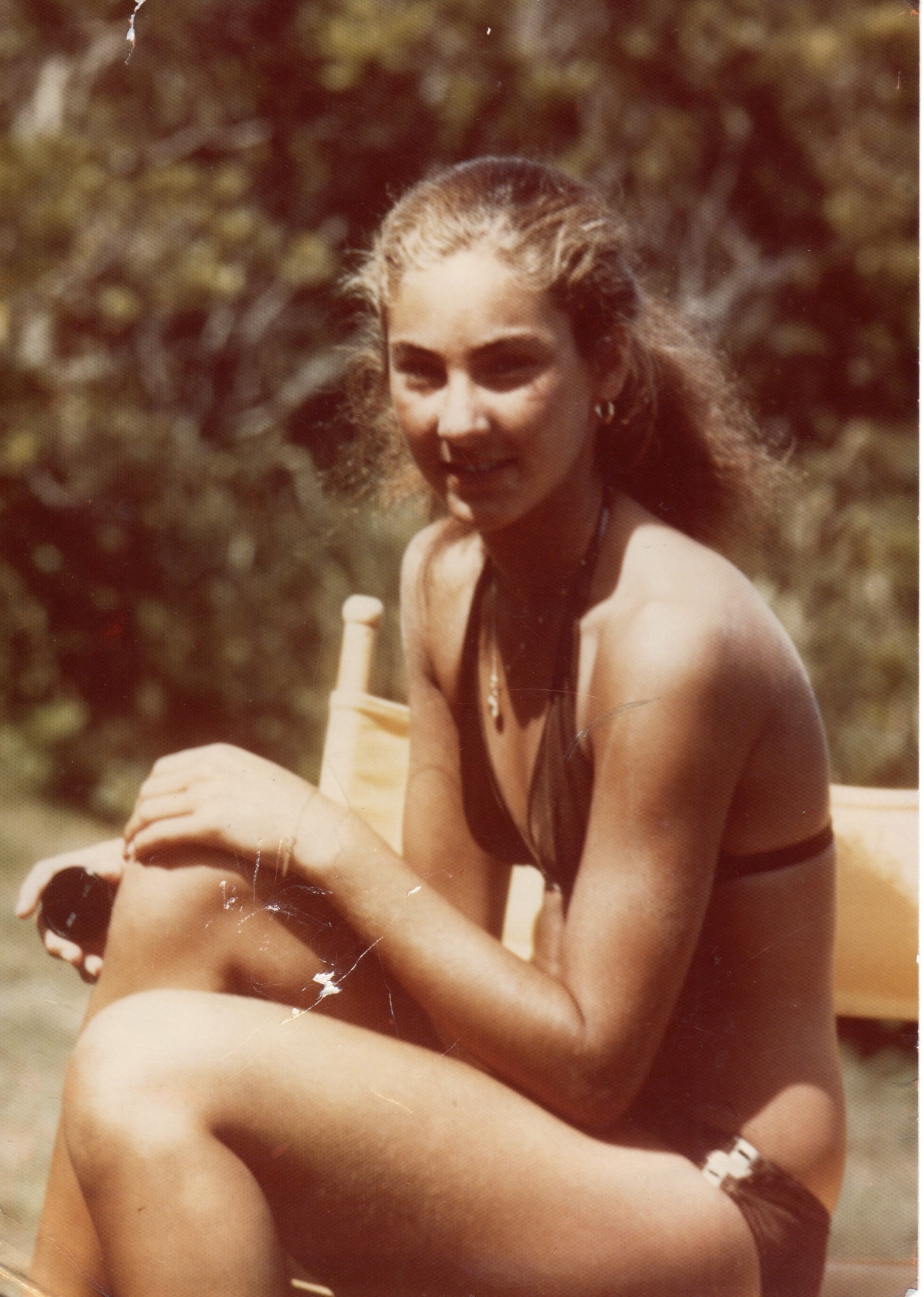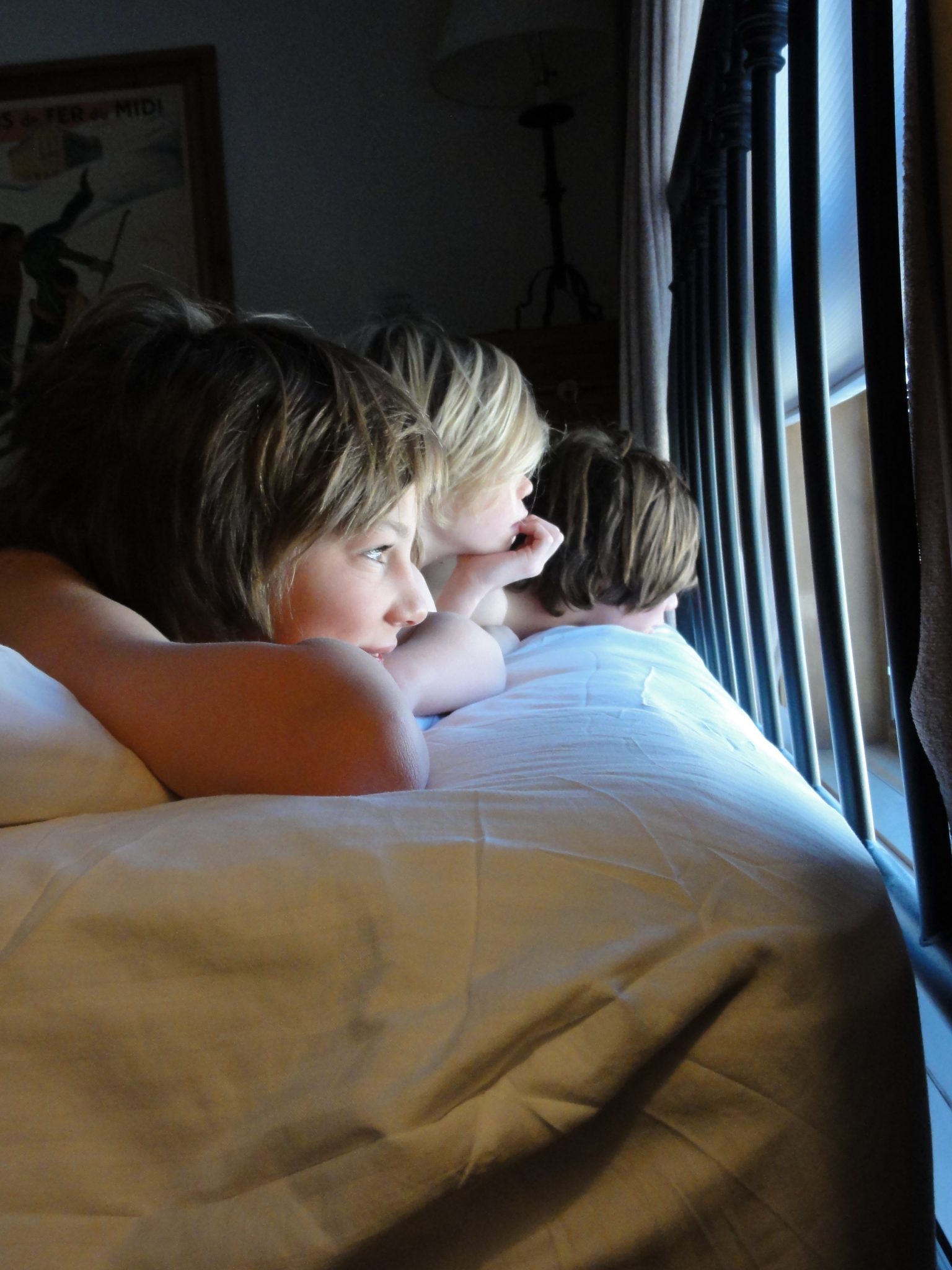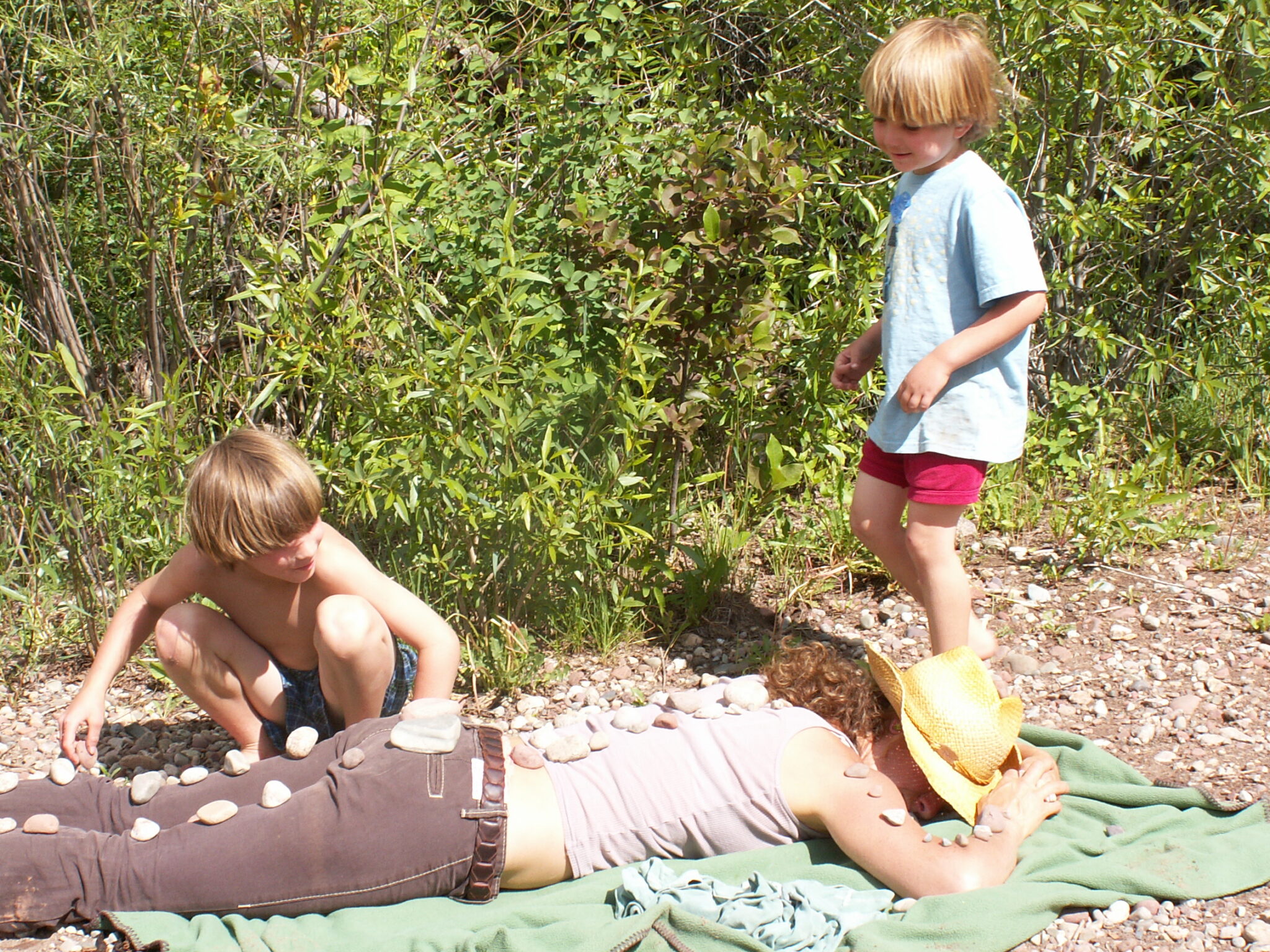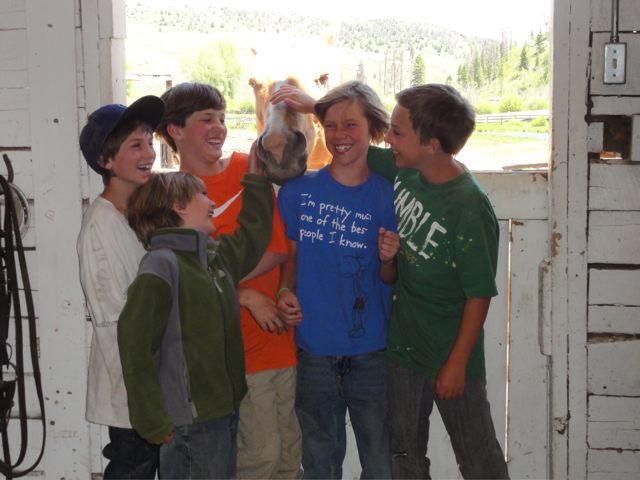
The mornings in my bedroom were the antithesis of the nights: warm, safe and my own haven, where I’d spend oodles of time alone letting my imagination go, dancing wildly to my 45 records, chatting on my CB radio or playing with the Barbie dolls I so wanted to look like. The superficial messages about how to look began early, with Barbie dolls.
Like many baby boomers, we had a pretty unsupervised childhood. Other than that horrifying “Stranger Danger” movie that traumatized us all for life with pictures of a lone sneaker found in the woods, and missing children on milk cartons, parents seemed to have less to worry about back then. My sisters became quite independent at an early age, taking care of their little sister by holding my hand and pulling me along on all their adventures, and saving my life when I did silly things like skate straight into the thawed icy water of the pond in the woods behind our house.
I remember being so happy to be included with the big kids as the blades of my skates dug into the frozen pond. I also remember flirting, not paying attention and being unable to hockey stop before plunging into the frozen water. With my skates and waterlogged clothes dragging me down and the ice breaking as I tried to grab hold, I didn’t despair, trusting my sisters would save me. And they did. Left to their own devices, kids can be quite resourceful, and at Michele’s command they quickly formed a chain, holding hands, and pulled my dead weight out of the water.
Comforting me, wet as a drowned rat and sniffling on the path home, they assured me that all would be OK and kept me going by promising we could do our favorite thing: sneak packages of unmade Jell-O and hide in a closet, sticking our fingers into the powder and eating the whole box like Pixy Stix. That one was risky, because there was no lying our way out of orange- and red-dyed fingers, lips and tongues.
Sneaking me up the back stairs to my room, I left puddles of footprints. (That back staircase became more and more useful as I got older.) “Silly girls,” my parents admonished, no questions asked, when they found the heap of wet clothes tangled in the tornado of a mess that was my bedroom.
Blood Sisters
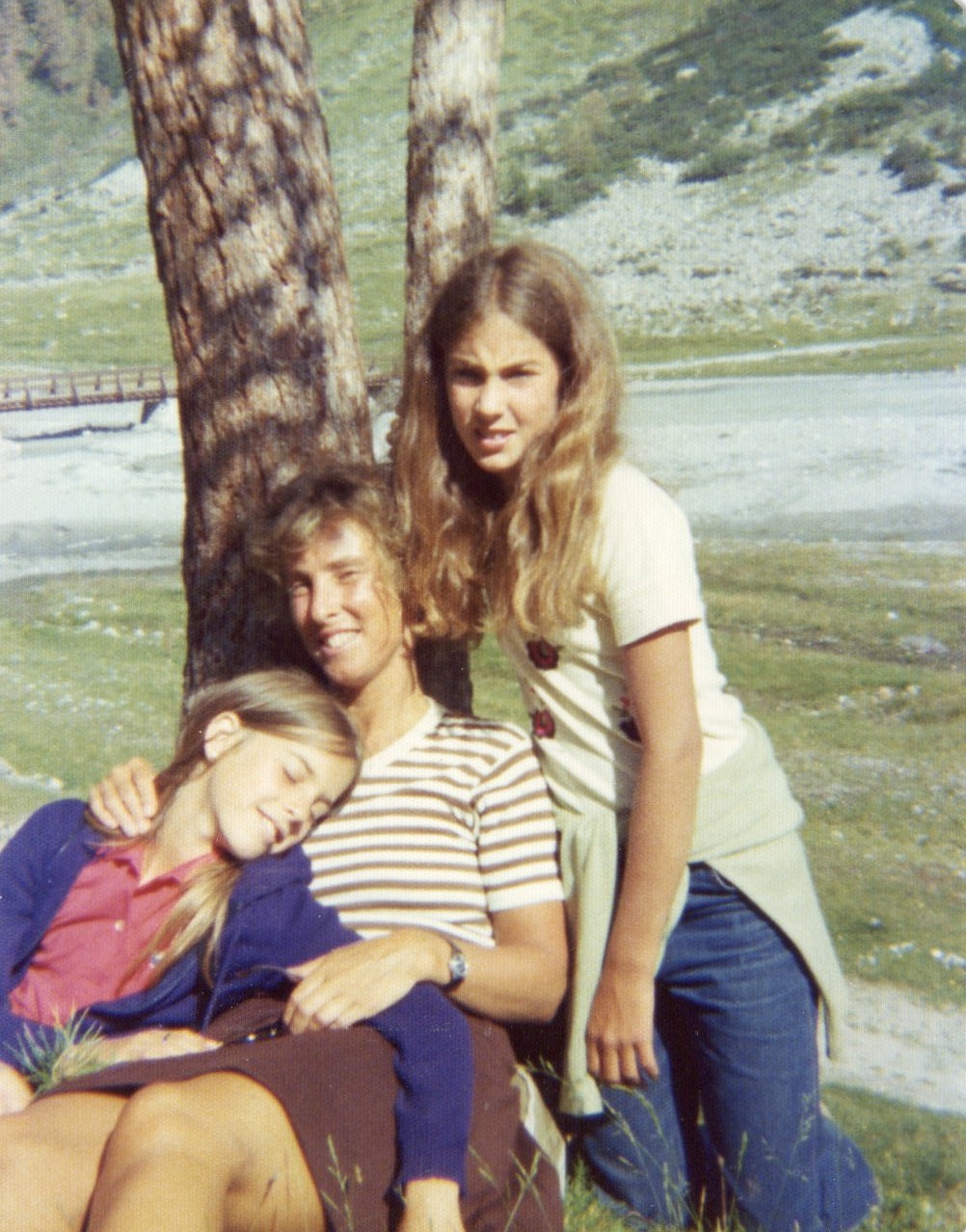
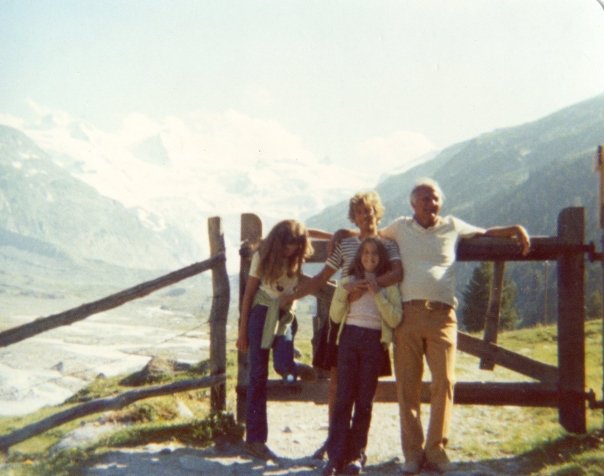
To deepen our bonds and loyalty, we became blood sisters, pricking our thumbs with pins, blending the blood together and making sacred vows to love each other forever and NEVER tell our secrets. We were forever sworn to secrecy and never broke that trust. Never. Not even when our favorite cat, Nike, was trapped under a box filled with pot smoke to see how he would react at one of the many parties thrown at our house on weekends when my father coaxed my mother off on romantic escapades without us. My sisters were left behind with a wad of cash, the keys to the BMW and few instructions beyond taking care of their little sister.
As we got older, our roles reversed, and I tried to protect my sisters from our father’s horrible temper. Twenty-one years older than our mother, he really was in a different time zone from his wife and three girls and had no desire or idea how to relate to us. He interrupted our harmonious life together, and we grew resentful of his moods and intolerance as we got older.
There were many times when he would reprimand us for walking into the house in wet shoes or leaving a light on, and Michele and I would keep silent so as not to send him into a rage. But not Melanie. Melanie was our warrior, protecting us from our father’s short temper and his discipline. A natural-born rebel, she’d toss fuel on his anger and get his fires roaring, sending him to a dangerous place, and Michele and I would scream at both of them to stop, shielding the blows as best we could. What we couldn’t understand was his inability to keep himself from reaching that angry state, mentally and sometimes physically. The damage parents can do to their children, even without any physical contact, can echo into the adults those children become.
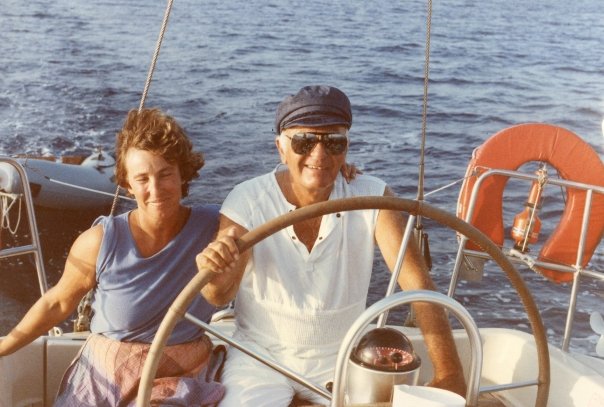
Things improved a bit when our mother began slipping him a little blue pill along with all the others she fed him for his heart and back pain, and we got glimpses of the man our mother had fallen in love with: a playful, adventurous, flirtatious, gentle man with an infectious laugh and a wonderful sense of humor. I was the most like him.
Heading off into the woods, we’d prick our fingers, smash our blood together in a pact of allegiance and swear to always be there for each other.
Harold and Nicky
But Harold wasn’t all bad. His sense of humor and his love for his daughters and our mother often redeemed him. Theirs was a traditional marriage, with him working all day in commercial real estate and her doing everything else: the cooking, the entertaining, taking care of the girls.
She brought in people to help with cleaning our large white house on the hill, ironing my father’s shirts and the dinner parties, and it was always a mystery where our mother found her people, who all seemed slightly askew. She took them all under her wing and supported them when she could, and even when she couldn’t, no questions asked and no judgment, even when she came home to find one of them frolicking in her and my father’s bed with his lover. “Where else is he supposed to go?” she’d ask as we begged her to wake up to reality.
Our mother’s philanthropy was hidden from Harold, who felt that these people didn’t need to benefit from his hard-earned money. He was generous with his family, but the buck stopped there.
If he could have, Harold would have lived a nice, quiet but adventurous life with his family, but Nicky craved a much less provincial lifestyle, surrounding herself with her children and quirky friends. We chalked it up to her lonely upbringing in England and her desire to take care of other lost souls.
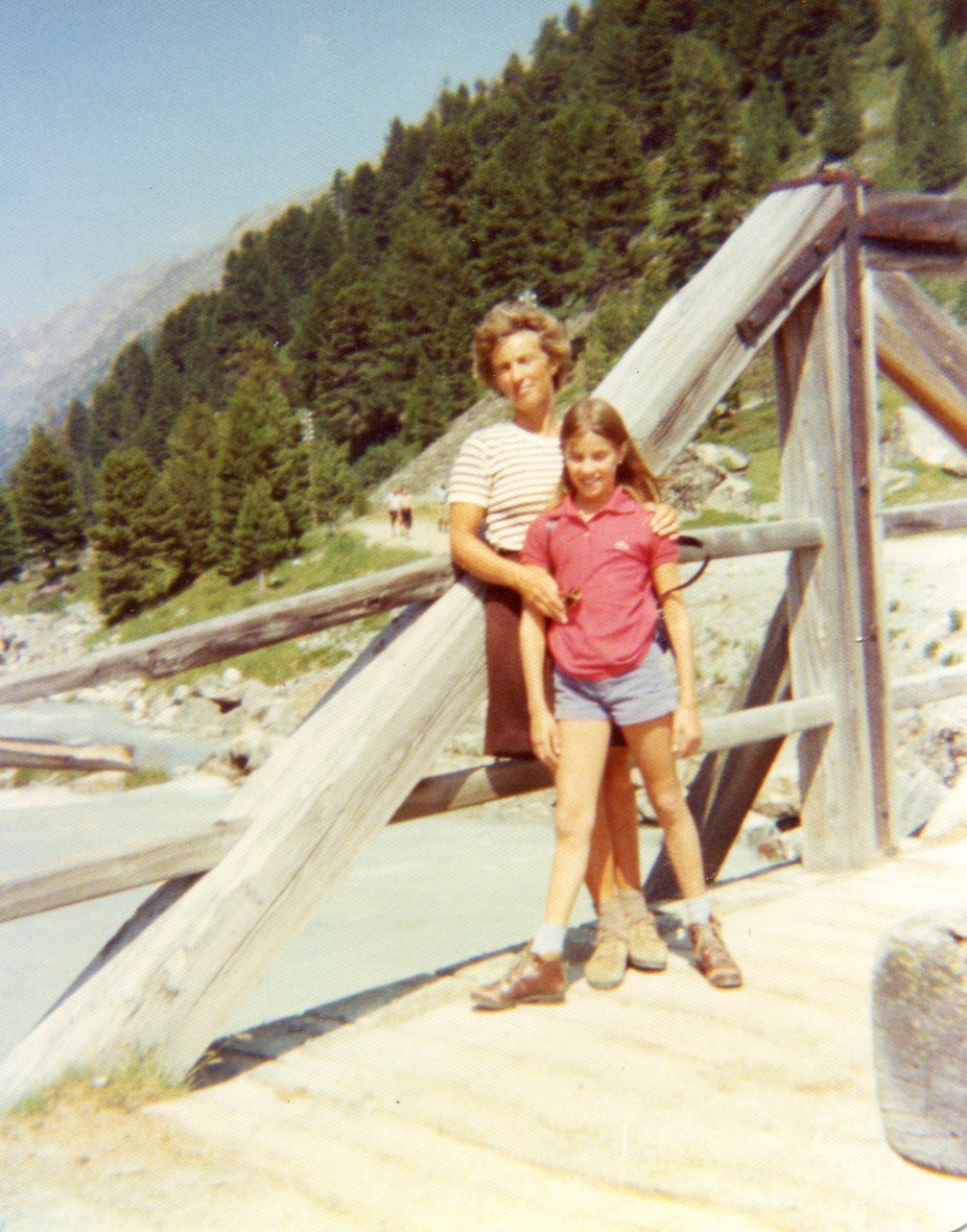
On rainy days she’d bundle us up, and the more inclement the weather, the more magical our walks became. Gathering our wellies and umbrellas, we’d head outside to splash in the rain, following her like ducklings through the puddles and soaking up her laissez-faire energy as she poetically described the changing light on a gray day and the soft whisper of the trees, or, in winter, the diamonds sparkling in the snow. With our mum, the stormier the weather, the happier she was.
When we became teens, it was Harold who demanded our attention for walks that were more like training sessions on how life was not all about fun. Each walk was a lecture on marrying well, which meant finding eligible, rich Jewish bachelors. With his hands waving in the air like a spasmodic windmill, he’d talk animatedly about the importance of money and finding a man with ambition. He was too removed from our world to notice that the men of our generation were growing up with different ethics about work and marriage.
We were baby boomers, a generation that had only heard about hard times but never experienced them. Growing up in affluence, we rejected traditional values and lived life the way we wanted, filled with fun and lots and lots of boyfriends, Jewish or not.
Harold’s Watch
Harold’s visions of wealth for us meant he wasn’t going to release us into the arms of just any brave high school boy. He became the watchdog of the house, scaring off the weak with intimate questions like “What stocks did you buy this week?” If any of the boys were brave enough to go out to dinner with our family, ordering became a moment when we held our breath, lest some unfortunate boy order the most expensive thing on the menu AND a drink, bringing out Harold’s mischievous side. “So, when are YOU going to take US to dinner?” he’d ask. The embarrassing questions increased toward the end of high school, when he’d half-jokingly ask our boyfriends to pay for dinner and offer up marriage proposals. The smart boyfriends learned quickly, appeasing him by watching football with him or offering to do our chores of cleaning the gutters and raking the lawn. The not-so-smart boys stopped calling.
It turns out Harold had good reason to worry about his girls. Melanie, moody and dreamy with flashing almond-green eyes and a passion for clothes, considered herself the black sheep of the family, claiming she got the short end of the stick because our parents didn’t seem quite ready for a child when she arrived. Like her mother, she nurtured other black sheep, attracting beautiful, troubled souls and leaving the house as often as she could with them as they grunted hellos to our parents, patted her little sister on the head without noticing her batting eyelashes and screeched off.
Michele attracted the perfect boys, the ones surely headed for greatness who had it all together in high school, the kind I was too intimidated to flirt with. Excelling at everything, they knew how to impress our parents, dissolving any suspicion so they could be naughty in their own teenage-boy ways, like climbing the trellis outside her window late at night to wake her up or, if that didn’t work, knocking on her little sister’s more accessible window to be let in.
And then there was me, a girl whose purpose in life was to be around boys as much as possible. Harold had his hands full.
First Love
For as long as I can remember, I have loved boys. The only reason I got excited for school was so I could flirt. When I was sixteen, I fell madly in love for the first time. He was a year older, and I was smitten before he even knew I existed. Breathing in everything he did, I watched him for months: the way he bent his tall frame to lean into people; the way his friends adored him most; the way he smiled; the way he laughed; his voice. And then I went to a friend’s house for an unsupervised party, and there he was. Sucking down blackberry brandy, I gathered the courage to descend to the basement and feign interest in his pool game.
Eventually my lingering presence caught his attention, and that night began my love affair with love, as we slept wrapped up in each other on an L-shaped couch shared with all our friends.
Sexy, spiritual and fiercely independent, my first boyfriend taught me all about love in the basement of his house, his parents upstairs. I learned about loyalty and that people don’t fly away when conflict arises. He introduced me to deep thinking and to questioning meaning. He introduced me to The Doors, and to drugs. Then our best friends fell in love too, and we watched it fall apart after she got pregnant her junior year.
Much to Harold’s dismay, my first love was neither Jewish nor rich. In fact, his lovely, tiny mother was a born-again Christian who taught Sunday school in tongues. I tried to convince my dad that being a Sunday school teacher meant she was a wonderful person. He still wouldn’t take him out to dinner. But my soul mate was in love with me, and if my father didn’t get it, then too bad. We breathed as one now.
When he went off to college, I tried to stay true and resist the attention of the others swarming in, but what was a nineteen-year-old to do? My mother’s words of wisdom became the soul of my existence: “Relationships are like traveling. The more men you meet in your life, the more life experiences you will have.” She denies ever having said that.