“All traffic is shut down at the El Jebel light due to a structure fire,” I read in the text, but I didn’t think twice about it. I was heading down to a thank-you barbecue for the Lake Christine firefighters at Jill Soffer’s house, and nothing was going to deter me. Until then, I had been covering the fire from afar, and I needed to get closer and capture the stories of the firefighters and those who had been evacuated. I wasn’t going to miss this opportunity.
Jill Soffer is a philanthropist focused largely on environmental progress, carbon reduction and sustainable farming, and she was throwing an appreciation party for more than 200 firefighters. She serves on the boards of The Sierra Club Foundation, the Natural Resources Defense Council Action Fund and Wilderness Workshop, which protects the White River National Forest, and she was a developer and interior designer of sustainable green homes and a LEED Accredited Professional.
As we turned up the road to the barbecue, we proudly found ourselves behind five of the light green Carson Hotshots fire trucks and followed them up, passing local firefighters standing watch over the fire still burning in the hills a mile northwest of Basalt above the reservoir, where a Chinook helicopter was drawing water.
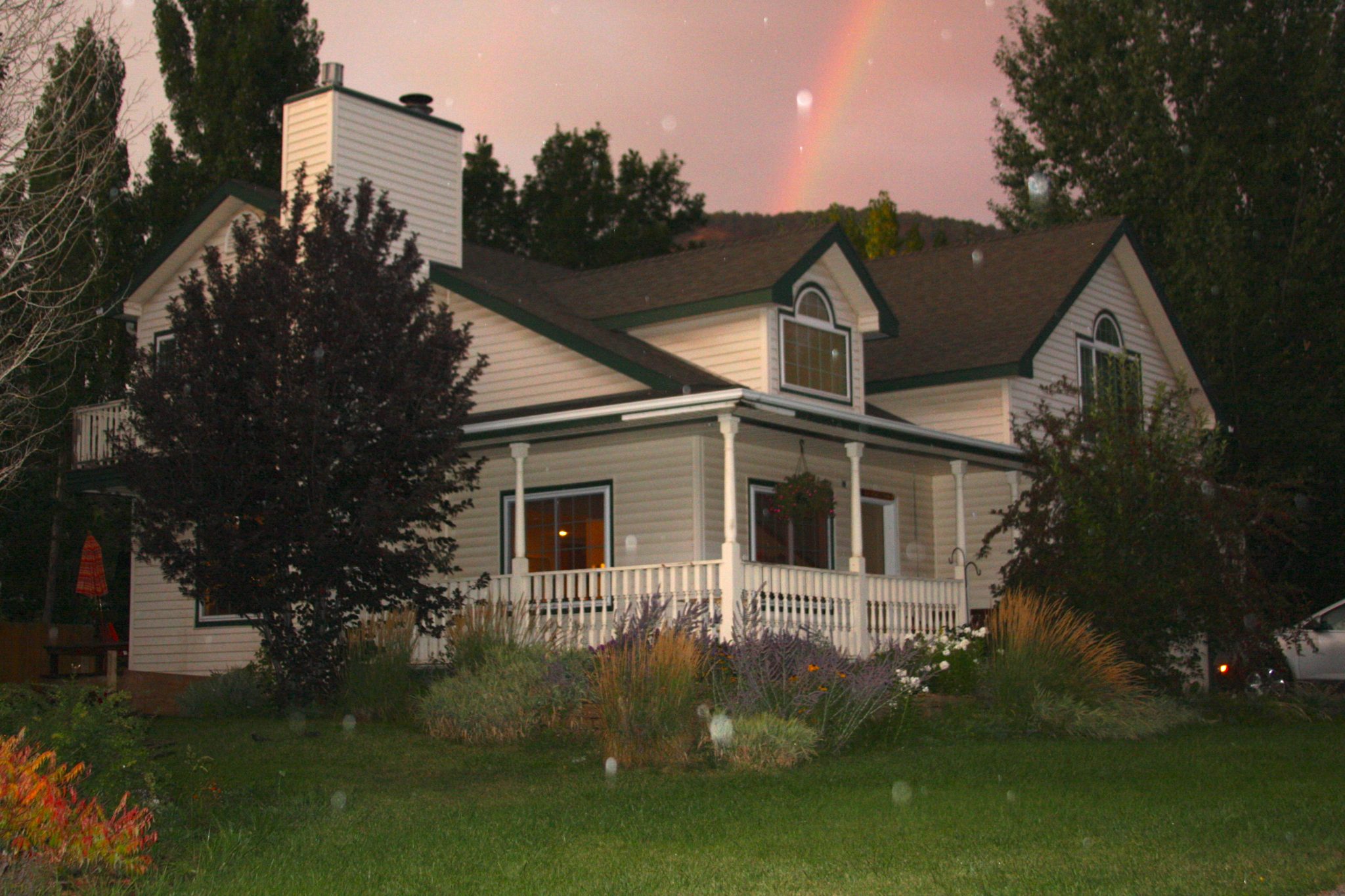
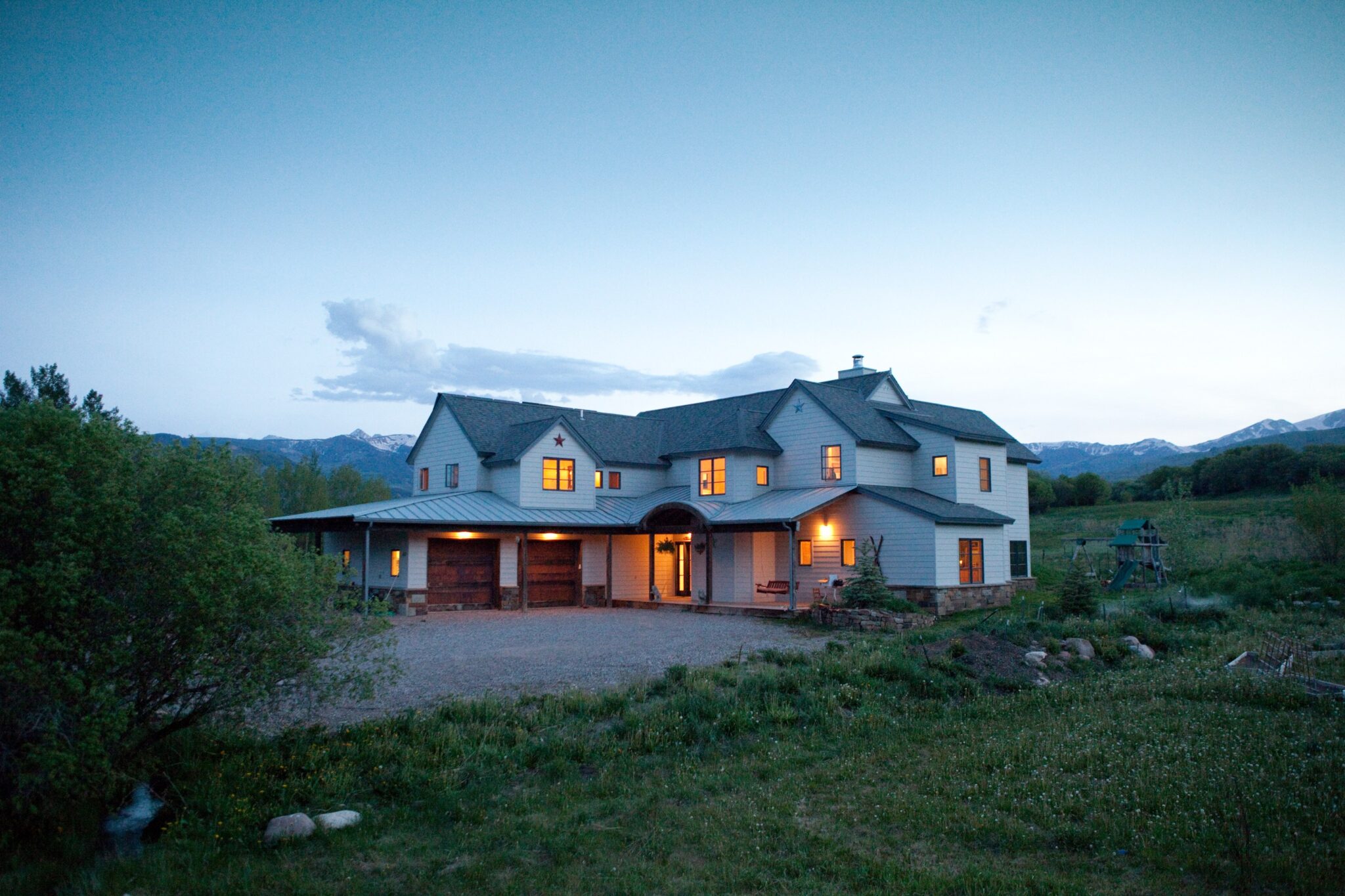
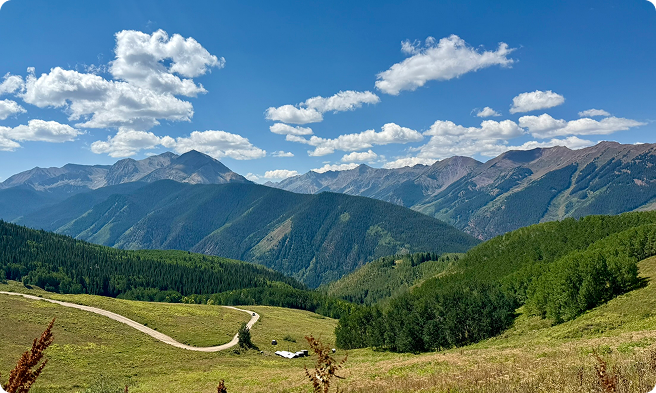
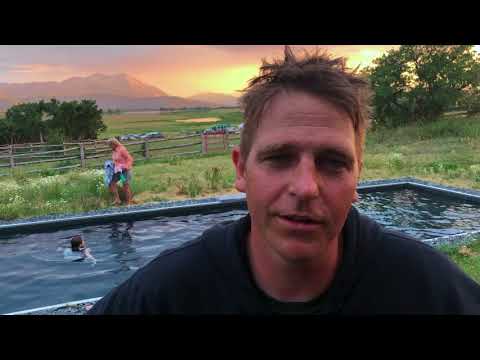
Soffer’s house sits in the most spectacular surroundings, with Mount Sopris in the distance changing colors in the smoke-hazed sunset. I began to circulate, listening to conversations and getting a read on whether anyone wanted to share their stories, and quickly discovered that people welcomed the chance to talk.
The Evacuees’ Stories
Although I had been in touch with friends who had to evacuate twice, first from Basalt and then from Willits, it had been hard to gauge the despair, fear, anxiety, panic and stress our friends downvalley had been living with these past few weeks. With each story, many of them from friends, the trauma caused by the Lake Christine Fire became viscerally real.
The first couple I approached, also friends of mine, are both architects. The husband explained what a tall order it was to be the one deciding what to save and what to leave behind. His wife and two children were out of town that week, a definite blessing, but it meant he was on his own making potentially life-changing decisions about cherished possessions. When he reached his wife by phone, she told him to grab her office folders, so he dumped everything from the drawers into the only container he could find, a lidless plastic postal box he happened to have brought home recently. He then took the art off the walls, gathered all the wedding and photo albums he could find along with any valuables and a backpack of clothes, and shoved as much as he could into his open-air Jeep, praying nothing would fly out as he drove off to find friends who would take him in.
At the same time, business associates were dismantling all the electronics in the architecture office, electronics that were rebooted and dismantled three times with each new evacuation report. Once evacuated, he had nothing to do but wait, watching a ball of fire roar down the hill toward town and the home he and his wife had designed together. His wife, just back, chimed in with big, earnest eyes, saying she felt the need to come home to support her husband, who was clearly in a high state of emotional distress. He nodded in agreement. Yes, he needed her back; the stress had been too much to bear alone.
The Scale of the Fire
Hearing the stories and interviewing the firefighters confirmed the magnitude of the danger and stress thousands of people endured. According to InciWeb, Eagle County had completed repopulating the communities around the fire. At the height of the incident, about 2,100 residents were evacuated, and 6,822 acres had burned so far, with full containment expected by Tuesday, July 31. Other sources reported that at least 583 fire personnel had been deployed, including 16 hand crews, 35 engines, three water tenders and five helicopters.
Throughout the evening, every story emphasized gratitude for our firefighters, many of whom were still out fighting the fire, and for all the volunteers who dropped everything to feed firefighters, take in evacuees and move horses and other animals. The firefighters’ appreciation for that gratitude confirmed something this valley has always known: we have the most incredible community of people, who come together in the most stressful situations to help one another, and there are indeed heroes among us, now more than ever.
The Carson Hotshots
The Carson Interagency Hotshot Crew, established in 1973, is a highly trained 20-person team specializing in wildland fire suppression. Hotshot crews are a national resource, often assigned to the most demanding tasks: long stretches of physically grueling work in complex, difficult conditions. Their crews pride themselves on hard work, professionalism and a positive team culture.