My childhood was its own fairy tale. Yes, it’s true: I grew up in a fairy tale within a fairy tale.
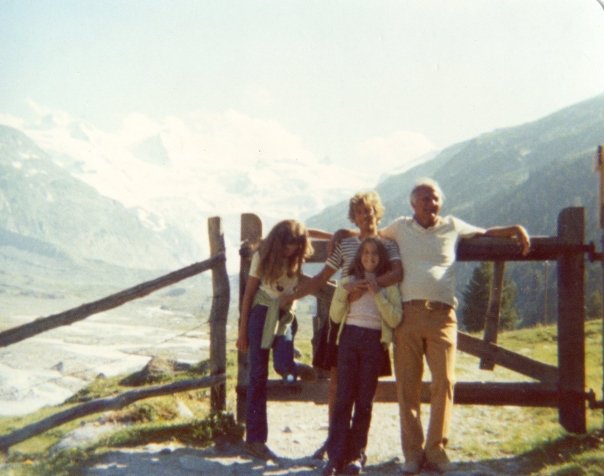
My two sisters and I grew up in Massachusetts in a white house high on a hill, with a white picket fence enclosing our mother’s wonderfully British, bright and cheery hand-planted gardens. She was always in the garden with a colorful handkerchief tied around her head to keep her hair back, and playing by her side in the yard were her three little girls, whom she adored, and our German pointer, Stormy, an untrained, hyperactive love bug who just happened to bite only uniformed people like the milkman, the postman and the trash man.
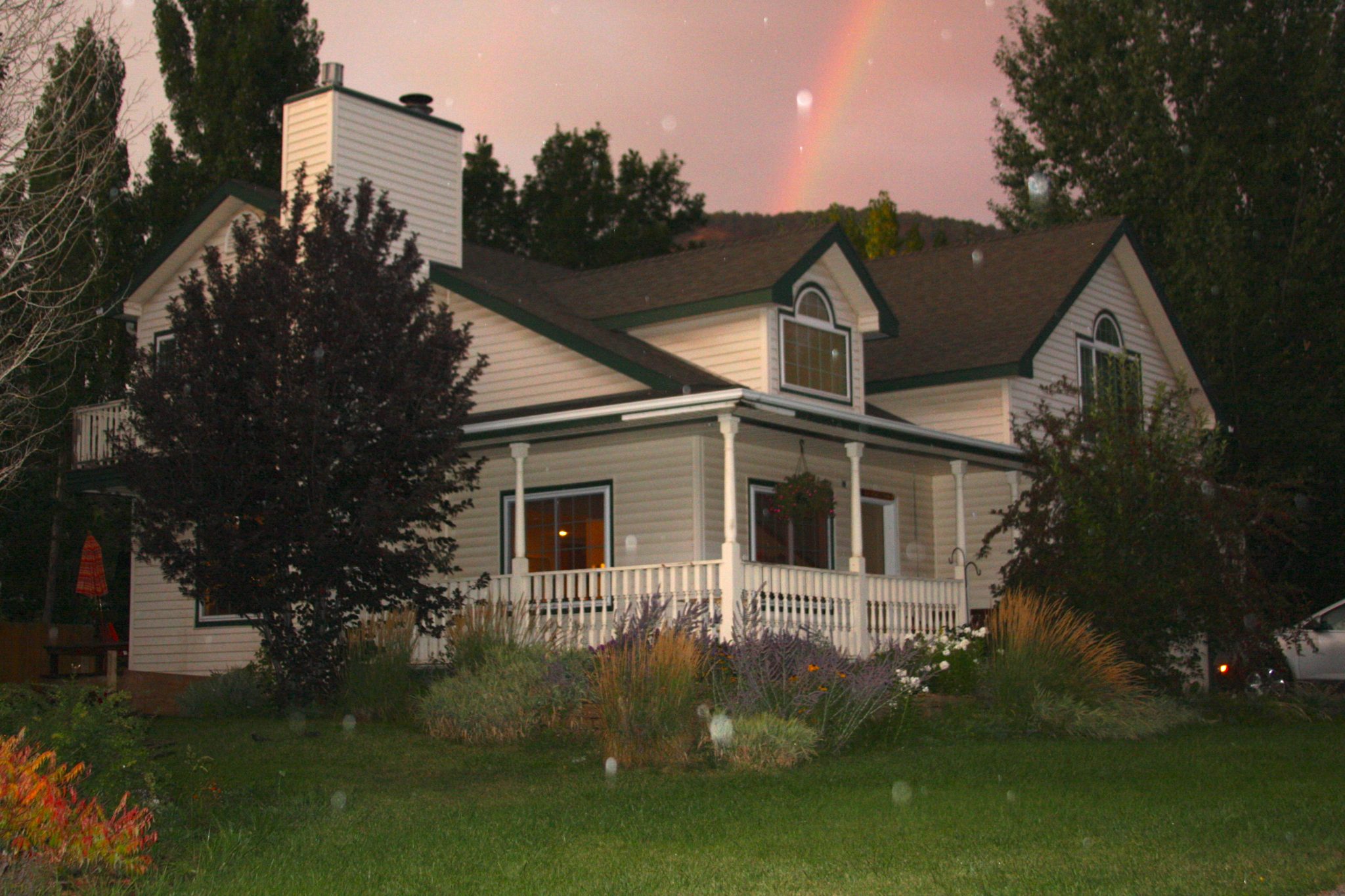
The house with blue shutters on Overbrook Road in Longmeadow, Massachusetts, was as idyllic as it sounds. The back door opened into a sunny kitchen where skylights let in the light and windows framed the backyard, with its blueberry bushes and a terraced area where I put on plays for the neighborhood.
In the middle of the house was a wide staircase, our indoor playground when we came in from outside. Beneath the paintings, we sledded down the stairs on our bums as fast as we could, or played jail games with our dolls through the banister rails. When our parents threw a dinner party, we’d put on our flannel PJs, gather our pillows and stuffed animals and lie with Stormy at the top of those stairs, listening to our parents entertaining their friends.
A House of Magic
My mother, who I am so happy to say is still alive and well, has always thrown wonderful dinner parties, filled with intellectual conversation about 19th-century art, current affairs, antiques, films and books. The dining room was the perfect size, with an antique hunt table of the richest, most beautiful wood. Of course, it was covered with the finest linen tablecloths and Baccarat wine glasses, and, my favorite, petite enameled salt and pepper shakers in brilliant shades of red and blue stood in front of every place setting.
Beaded napkin holders held linen napkins with lace edging, and beside them were the silver utensils my sisters and I polished before every dinner party. The china had a light blue and gold rim with dragons flying around it. In the center stood crystal candlesticks and always fresh flowers.
The insects my mother loved to collect appeared on the side tables: a giant copper ant, gold sculpted bees on marble stands and encased tarantulas and other enormous furry spiders. On the walls hung her collection of 19th-century fairy art, fantastical images of iridescent wings and evil-spirited, spindly creatures peeking out from behind gnarled tree trunks in dark, misty forests, by artists like Arthur Rackham, John Anster Fitzgerald, Richard Doyle and Edmund Dulac. Everywhere you looked, you stood a chance of being swept away into the magical worlds her collection evoked, whether it was Tiffany lamps with glowing red dragonfly wings, bronze sculptures of mythical creatures or magnificent insects with fluorescent wings. The house was its own theater of magic and mystery.
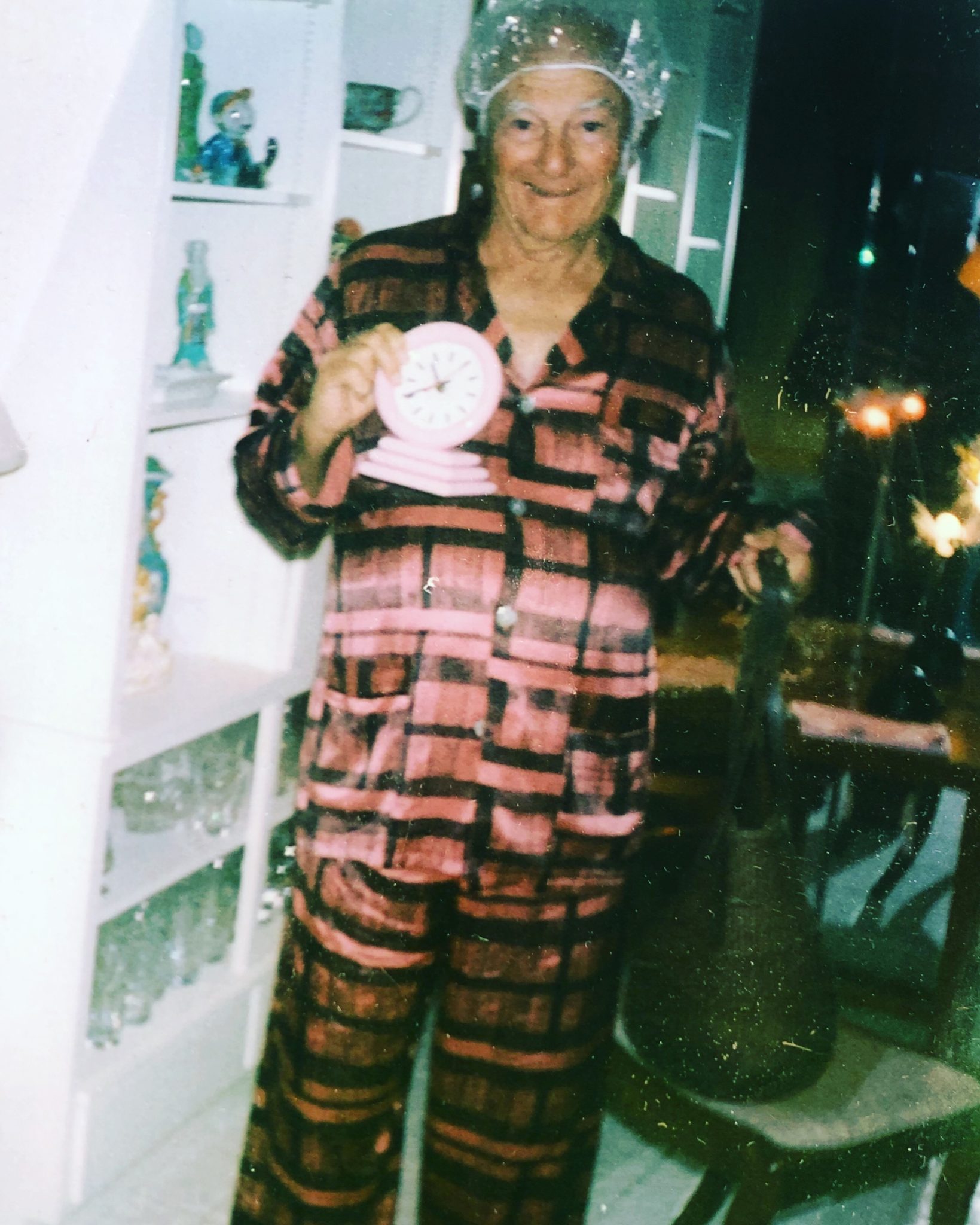
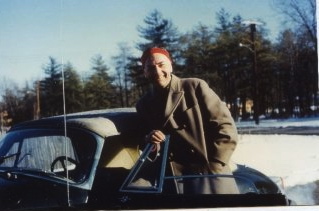
At the table, Harold would have everyone crying with laughter, but one particular evening he, 21 years my mother’s senior (born in 1917), must have decided it was time for everyone to leave. He disappeared for a bit and reappeared in his silk pajamas and a shower cap, just in case the guests hadn’t gotten the hint from the clock. That was my father, and I was very much like him.
My Mother’s Childhood
It was our mother, Nicky, who collected all these beautiful and magical pieces. Having grown up in England after the war, she remembers living through one of the coldest winters on record with no fuel or heat and limited food. The foods that give children such pleasure, like ice cream, oranges and bananas, weren’t enjoyed until her later adolescence, and the houses were freezing, with what heat they had coming from coal fireplaces that sent a heavy fog into the wet British air.
As an only child, she read voraciously and found comfort in books, often finding herself locked out of the house after getting off the school bus. Her books were her companions, helping her escape her loneliness, and it was her paintings that helped grow our imaginations as children.
Our mother’s childhood was a complete departure from ours. In March 1938, the week before Hitler’s troops marched into Austria to annex it for the Third Reich, Nicky’s parents, Gerta and Arthur Atlas, were in England buying for Arthur’s leather shoe factory, Brevitt Shoes (hence the name of our eldest son, a.k.a. Thumper). Hearing that Hitler was coming, they cleverly never went home. Leaving behind their Jewish roots and all their possessions in the little town of Grinzing, a leafy suburb of Vienna where wine was celebrated in little vineyards every autumn, they assimilated as much as possible into English life, starting over with nothing. Gerta was pregnant with Nicky.
My mother grew up thinking she was Christian and sang in the church choir, and didn’t find out she was Jewish until she was twelve. For her parents, not raising their daughter Jewish was more benign neglect than a repudiation of their heritage.
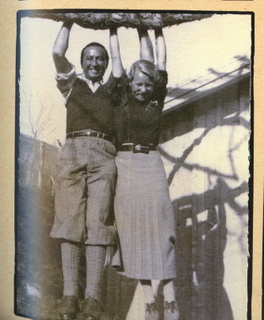
The loneliness stemmed from a father eighteen years her mother’s senior whose life revolved around work, whiskey, women and cigars. He loved his Gerta, but she suffered from depression that grew darker after she lost her adored baby brother, Bobby, who was betrayed during the war by his best friend, who lured him back to the border with the promise of returning his belongings. Bobby was shot dead at the border.
Haunted by a past of loneliness and neglect, Nicky somehow emerged as an extremely generous, positive and poetic person, passionately appreciating life’s beautiful gifts and taking comfort in her possessions and her three daughters. Our father, Harold, 21 years her senior, was the antithesis of the women in his family: a solid, humorous man with both feet planted firmly on the ground and a desire to bring his family back down to the planet they came from.