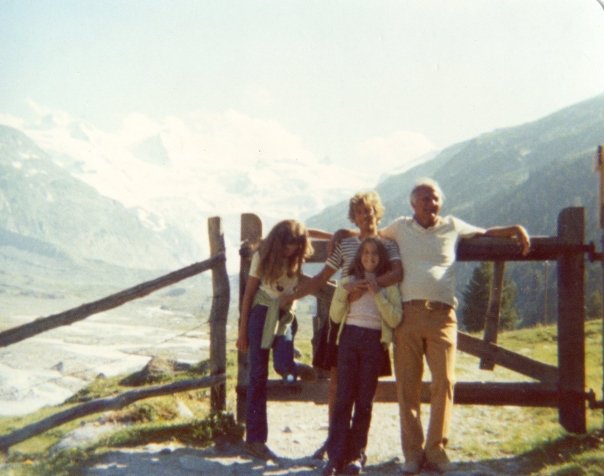
When I think back, he was always there in my imagination, the man I would fall in love with one day: a tall, dark and handsome cowboy version of a straight Cary Grant, with a chiseled jaw and smiling eyes.
My search for the literal man of my dreams began well before my father, whose life was about to be extinguished by melanoma, set his ideals for what he thought his daughters should look for. (Life might certainly have been a whole lot easier had I not rebelled and had I listened.)
Sitting quietly in the cheerful living room of the white house with blue shutters on the hill where I had grown up, I watched my mother and two sisters as the sun filtered through the windows, illuminating the thousands of dust particles we breathed in and out.
“I’m so sorry, girls,” the nurse in the crisp white uniform announced, “but your father has passed on.” A cold black veil shrouded my vision. I went numb.
Where was my desire to drop to my knees and weep? Thirty-four years of living with a force that directed every decision I ever made, and now he was gone, leaving the rest up to me. I was void of emotion, a cold mass of emptiness and guilt: guilty that I had no tears, and guilty that I had never mastered the art of handling his destructive temper.
From what felt like above, I watched as my sisters and I gathered closer to our mother, searching for a deeper understanding of times already fading into a dark course of memories.
The nurse returned. “False alarm,” she sang. “Harold seems to have come back.” Comic relief, typical of our father. All our lives he had swung us emotionally between anxiety and humor, so why should the day of his death be any different? We ran to his bed to say our final goodbyes.
An outpouring of sentiment flowed from my sisters, but I was at a loss for words. Then the dog began to bark, and we all felt the chill as an oil painting fell off the wall above the lifeless fireplace. This time he had truly left us, never to return.
The Den
The den had always been his favorite room when he was well. He spent many an afternoon there watching football on the soft beige leather couch while my sisters and I practiced the piano, the large old-growth maple trees standing sentry in our backyard.
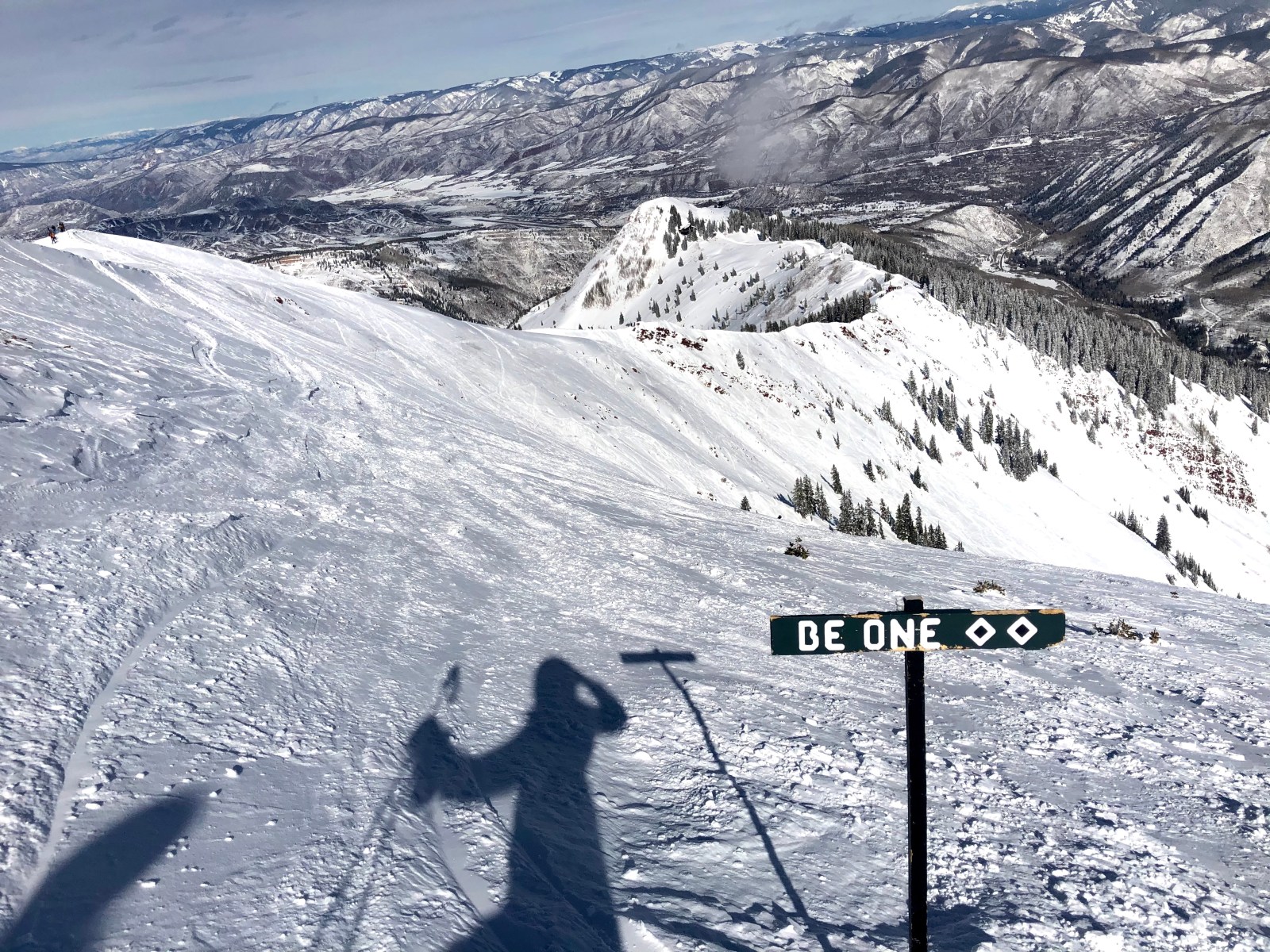
In his last few months, I had come home from Aspen to help my mother take care of him. As he lay in his bed in the den on morphine, I became his DJ, making sure endlessly beautiful classical music played to ease his pain. He couldn’t speak with all the morphine dripping into his system, but he would raise his arms and move his beautiful hands to the music like the conductor of a symphony as the melanoma metastasized throughout his body, extinguishing his strong life force.
What was he thinking as he lay there dying? I knew he was angry with my mother for being unable to save him from his inevitable death, but I wondered whether he had any reflective moments in those last three months. Did he regret the demands he had placed on us, his three daughters, as we grew up, or did he feel proud that he had done a good job raising us?